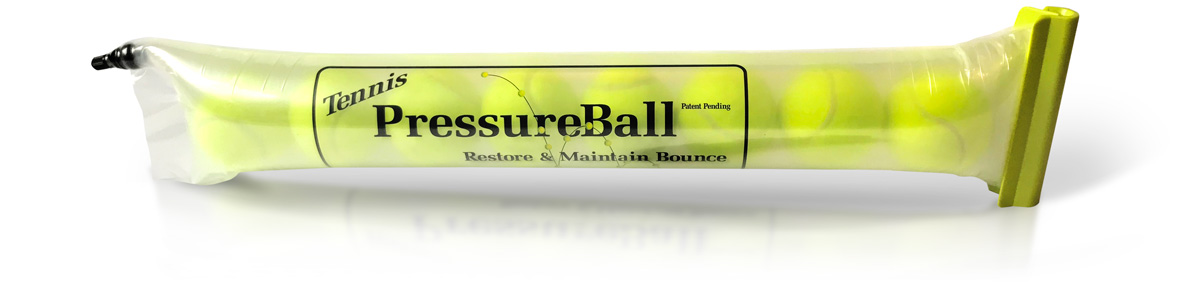
TENNIS PRESSURE BALL TUBE
Affordable Tennis Ball Pressuriser That Keeps Balls Bouncing Like New

ARE YOU FED UP WITH YOUR TENNIS BALLS LOSING
THEIR BOUNCE OR GOING FLAT?
Many players don’t realise that even new tennis balls slowly leak air, reducing their internal pressure and causing them to go soft. Over time, this affects performance and costs you more in replacements.
By storing them in the Tennis Ball Pressuriser Tube, the balls will keep their bounce like brand new balls (until the felt falls off, of course). This innovative design ensures your tennis balls remain usable for much, much longer. So every time you head out to the court, you know you’ll get the maximum bounce from your tennis ball.
Holding up to eight tennis balls, the Tennis Ball Saver is one of the most economical tennis ball pressurisers on the market.
THE BENEFITS
With its innovative design, this tennis ball pressuriser provides a simple, cost-efficient solution to a major issue for players: tennis balls losing pressure and going flat. Keep your balls bouncing longer with minimal effort.
Restores Life To Tennis Balls
Lightweight, Portable & Tough
WORLD-FIRST DESIGN
Saves You Money
Better For the Environment
Easy To Use
HOW IS PRESSURE BALL MADE?
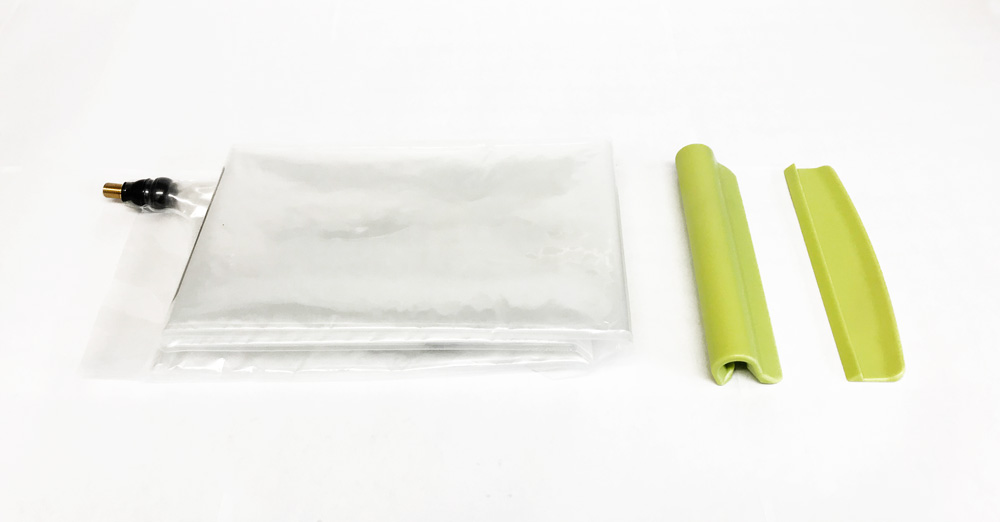
Pressure Ball is a world-first tennis ball pressuriser designed to be lightweight, durable, and incredibly easy to carry. Built to help players extend tennis ball life and maintain pressure, it features a flexible three-layer heat-sealed tube that keeps a consistent internal seal.
The inner and outer layers are produced from a tough, high-strength plastic film that prevents air loss and ensures your balls stay properly pressurised between matches. Integrated abrasion-resistant micro-layers add exceptional durability, making Pressure Ball far more robust than standard tennis ball savers.
Whether you drop it on court or toss it in the back of your car, this ball pressuriser is engineered to withstand everyday use while reliably helping you restore and retain tennis ball bounce.

FAQ’s
Why do tennis balls lose their bounce?
Tennis balls are manufactured from a rubber compound and have an internal pressure of around 14psi. The rubber, however, is slightly porous and so the pressure escapes over time. It results in a softball with decreased bounce.
New tennis balls that you buy in pressurised containers, slowly start to lose their pressure once you have opened them and therefore lose their bounce.
Pressure Ball stops new tennis balls going flat, indefinitely when you store them in the Pressure Ball tube.
Why do professional tennis matches change the balls so often?
In ATP and WTA tournaments, balls are changed after every nine games, (with the first change occurring after only seven games, because the first set of balls is used for the pre-match warm-up). Tennis balls start losing their pressure as soon as you take them out of the container.
Pressure Ball keeps tennis balls bouncing like new, so you can keep your tennis balls for longer, and still have perfect bounce.
WHAT PRESSURE SHOULD YOU KEEP TENNIS BALLS?
To keep your tennis balls bouncing like new, tennis balls should be stored at 14 psi. If you need to rejuvenate soft tennis balls, they should be stored at 20psi. Do not inflate the tube over 20psi.
HOW LONG DOES IT TAKE TO REVIVE A SOFT TENNIS BALL?
It depends on how soft the ball is. Pressure Ball was initially designed to stop new balls from going soft, but because you can put extra pressure in the tube, it means that you can revive softballs quickly. Balls that have been sitting for a week will revive in 1 to 2 days. Balls that have not been used for several weeks, and are a little soft, can be revived in a week.
If you store the tube in a warm place (mid-summer temperatures), then the time it takes you to revive the balls can be reduced further. Balls that are relatively soft will take two weeks to a month depending on how warm the tube storage temperature is.
Can this work on any tennis ball?
Not all balls can be revived, but the vast majority can be. If a ball changes shape in the tube at 14 psi, then it is really soft. It can probably still be revived, but you will have to set the tube at a lower pressure first before storing it at the correct pressure. So it becomes a little more time-consuming. The rule to follow is that if a ball changes shape in the tube, the tennies ball saver tube pressure needs to be decreased so that it can first revive at a lower pressure.
Any Questions? Ask An Expert.
Any Questions?
Ask An Expert.
HOW TO USE THE PRESSURE BALL TUBE
IN 4 EASY STEPS
1.
Place the flat surface of the clip insert against the tube.

2.
Fold the open end of the tube over the insert.
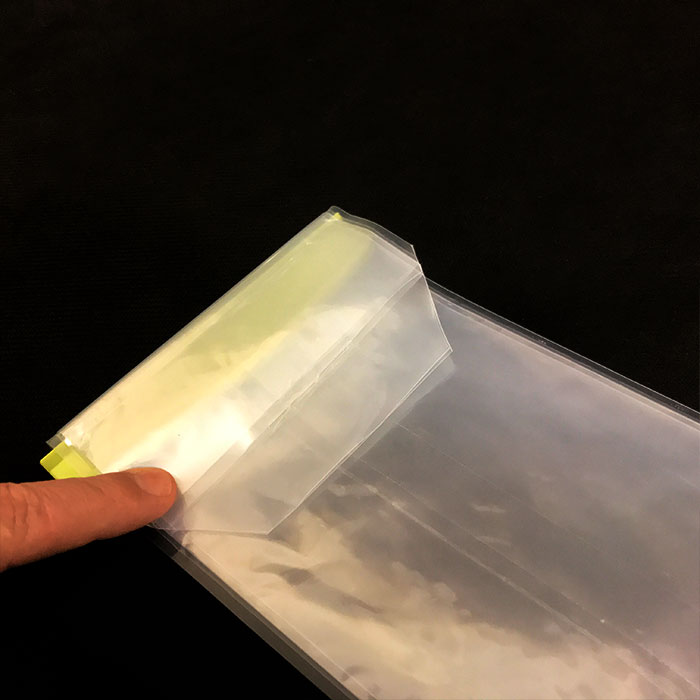
3.
Slide the outer part of the clamp over the clip to seal the tube.
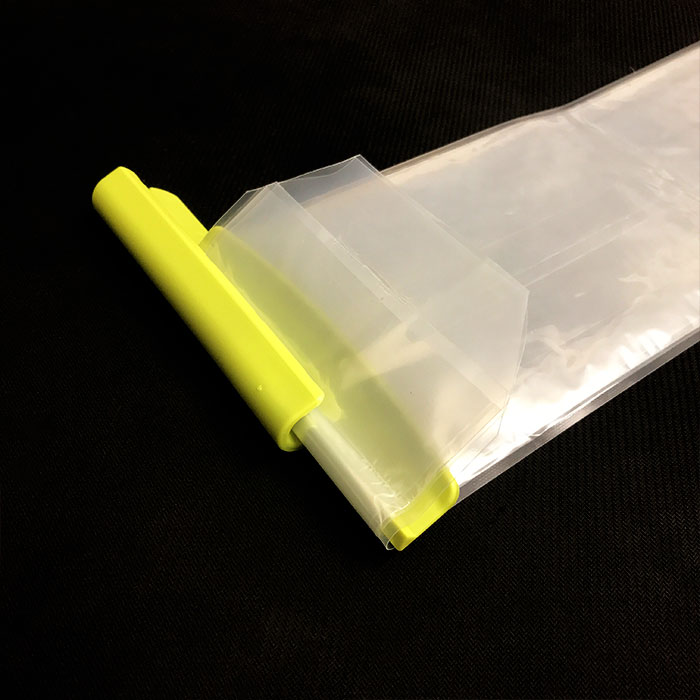
4.
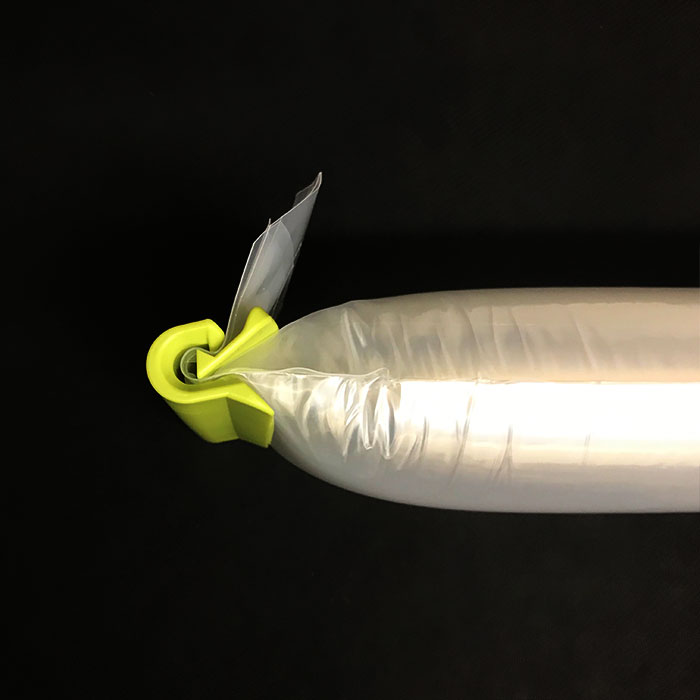
The final result should look like below after inflation.
CARING FOR YOUR TENNIS PRESSUREBALL TUBE
THINGS TO KNOW - READ MORE
- When inflating the pressuriser tube, you must be able to measure the pressure in the tube with some type of pressure gauge. We recommend a bicycle pump with a built-in pressure gauge as supplied in our shop.
- At 14 psi, Pressure Ball will both maintain and rejuvenate tennis ball bounce. If you want to speed up the rejuvenation process, you can inflate to a maximum of 20 psi.
- Balls will not revive if they collapse in the tube; it can be caused by over-inflating or weak spots in the tennis ball walls.
- You can remove the balls from the tube by shaking them out.
- Storage temperature has a large effect on the rejuvenation speed. The colder the environment, the slower the rejuvenation process will be. Storing during the summer months between 25 – 35 Celsius, it’s recommended to inflate to 15 psi.
- DO NOT INFLATE the tube over 20 psi. This is dangerous and can cause the tube to stretch and burst which can cause injury. It will also void the warranty on the product.
HOW TO DEFLATE AND REMOVE CLAMP
READ MORE
- IMPORTANT: You have to release the pressure in the Pressure Ball tube before attempting to slide the clamp off.
- To release the pressure, press down the valve pin using your fingernail or object (like the end of a pen).